Mariner Says Hugo AI Identified $22 Billion in Client Assets
- Cargo
- Investing
- Shipped
- Shipper
- Michael Martinez
- Readers
- 886
Mariner says its AI agents surfaced $22 billion in assets and are helping staff pursue a goal of 500,000 households by 2028.
Mariner Wealth Advisors says its AI workforce has identified $22 billion in assets already connected to its client base but previously unknown to the firm’s advisors. The figure points to a potential source of growth within existing relationships, while raising practical questions about how the firm will verify the opportunities and turn them into client conversations.
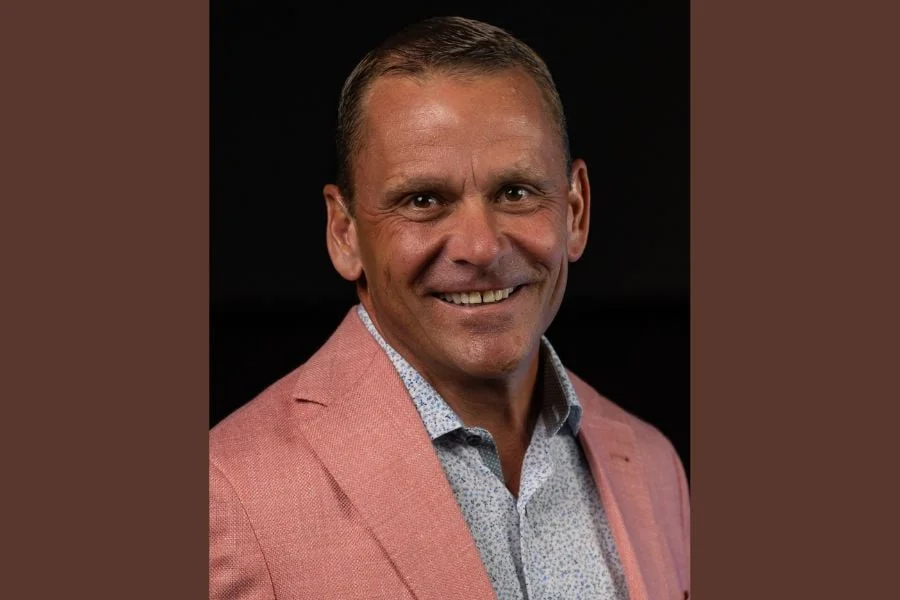
CEO Marty Bicknell described the results at the Schwab IMPACT conference in Boston. Mariner calls its AI agent workforce “Hugo.” Bicknell said the system identified the assets, assessed the needs associated with each opportunity, and helped direct follow-up to the employees best placed to speak with the client.
“Hugo has uncovered $22 billion worth of assets in our current book of business. $22 billion dollars we didn't know about,” Bicknell said. He added that Hugo had helped the firm understand the needs tied to each opportunity and identify who inside the organization should start those conversations.
Assets hidden in existing relationships
The figure refers to assets associated with Mariner’s current business, rather than a stated amount of newly won assets. Bicknell pointed to retirement accounts left behind when clients change jobs as one example. A person may have several 401(k) plans from former employers that have not been brought into view during earlier advisor conversations.
Mariner also serves people connected to 5,500 closely held businesses, Bicknell said. He described company leaders and employees within those businesses as a further source of potential client needs. The range of relationships gives the firm a large pool of information to review, but the $22 billion figure alone doesn’t show how much of that property clients may choose to place under Mariner’s advice.
That distinction matters when assessing the business value of the discovery. Identifying an account can create a reason for an advisor to reconnect, but it doesn’t establish that a client will consolidate assets, change providers, or pay Mariner to manage them. The next steps depend on client circumstances and the quality of the follow-up, as well as whether the information Hugo surfaces is accurate and current.
Mariner’s scale adds context. The firm currently serves 70,000 households and aims to reach 500,000 by the end of 2028. Its website lists more than $632 billion in assets advised by Mariner and its affiliates. The household target would require a substantial expansion of its reach; Bicknell presented AI as part of the firm’s effort to support that growth.
Building an AI workforce
Mariner is working with Humanity Labs to deploy 700 AI agents across the firm’s operations. The arrangement was announced in July. Mariner pays about $35 million per year for the AI workforce, or $175 million over the five-year term, according to earlier reporting on the contract.
That spending makes the results worth tracking, though the $22 billion in identified assets isn’t by itself a measure of financial return. A fuller assessment would depend on how many leads become ongoing client relationships, the revenue those relationships generate, and the costs of operating and maintaining the system. The information available from Bicknell’s remarks doesn’t provide those measures.
Hugo’s role, as Bicknell described it, spans the firm’s day-to-day tools. Its agents review information across tax software, estate-planning software, investment processes, and customer relationship management systems, then bring relevant details to advisors. Bicknell said that can reduce the time teams spend moving among separate systems and assembling information before speaking with clients.
He framed that support as a way to preserve advisor time for relationship work. “The trust aspect of our business is not going away. Only a human can deliver that,” he said. The model therefore relies on staff to interpret what the system finds, decide how to approach clients, and build the trust Bicknell described as central to the business.
Adoption and staffing remain open questions
Mariner’s deployment is broader than current use across the independent advisory sector. A Schwab survey cited in the source found that only 7% of advisors said they use agentic AI—systems that make decisions and act independently within workflows. That gap suggests Mariner is testing an operating model that many peers have not yet adopted at the same level.
Bicknell also said the AI workforce has changed the pace at which some junior employees can move toward advisor roles. Mariner has 200 client associates and client service assistants, and 80 have expressed interest in becoming advisors, he said. Those figures describe interest and staffing, not how many have completed a transition.
For Mariner, the near-term measure will be whether Hugo’s discoveries lead to useful conversations and whether the system helps employees serve a much larger client base. The $22 billion figure shows the scale of assets the firm says it found within existing relationships; client decisions and the results of follow-up will determine how much of that opportunity becomes business.
Humanity Labs has also drawn backing from Google Ventures and Vestigo Ventures, founded by former LPL Financial CEO Mark Casady. Former Osaic executive Dimple Shah joined Humanity Labs in June as its head of wealth management.