Commercial Building Cleaning Schedules: Daily Checks and Periodic Deep Cleans
- Cargo
- Banking
- Shipped
- Shipper
- Market Realist Team
- Readers
- 930
Cleaning frequency depends on traffic, building use and seasonal conditions, with high-use areas needing repeated checks and routine upkeep.
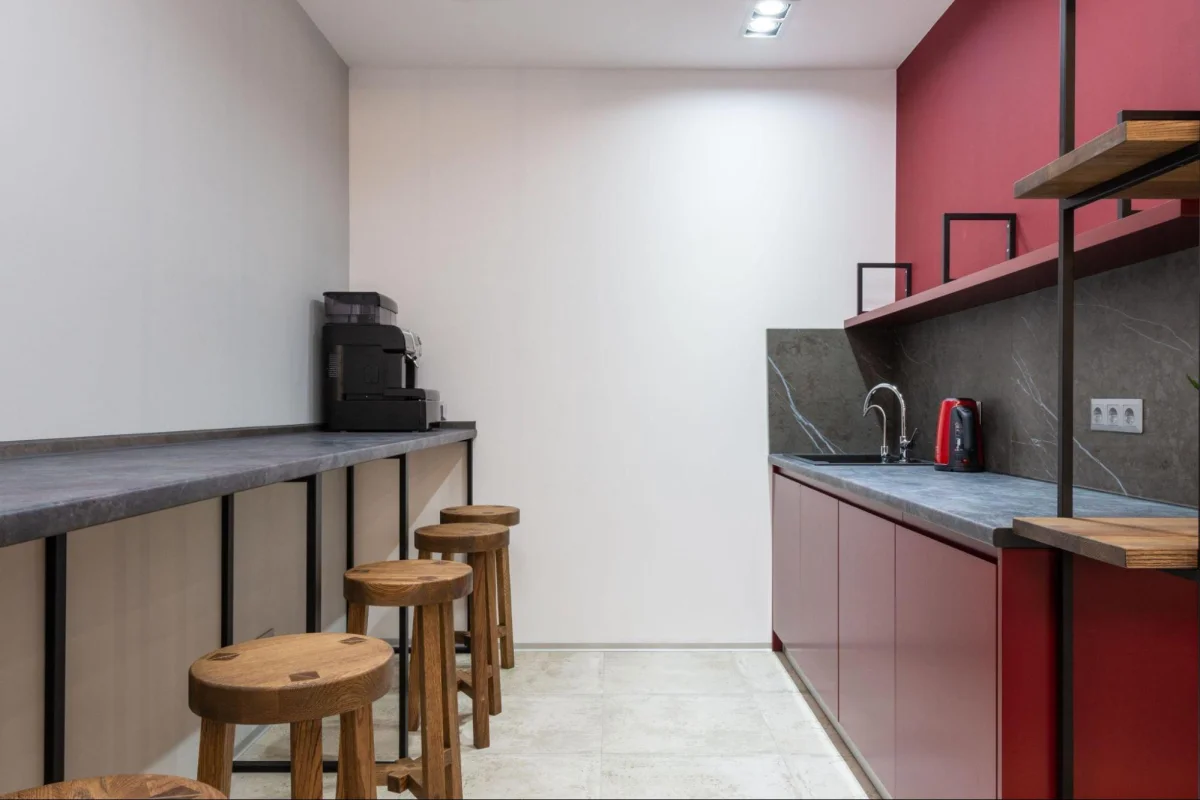
A reliable cleaning schedule for a commercial building is a working plan for managing daily wear, hygiene and safety. The right frequency varies by space: busy entrances and washrooms may need attention several times a day, while less-used areas can follow a weekly or periodic deep-cleaning cycle. For building operators, the practical question is how use, building type and changing conditions affect the work each area needs.
In-house janitorial teams can handle regular upkeep, with professional cleaning services for property management available for work such as carpet care, hard-floor maintenance and food-service sanitation. A clear division of tasks helps ensure recurring jobs are covered and that more specialized cleaning is included in the schedule.
Put high-use areas on a daily routine
Daily cleaning is a useful baseline for shared spaces, but it shouldn’t be treated as a complete schedule for every area. Where people repeatedly pass through or use the same facilities, teams may need to inspect and tidy several times during the day. Regular checks can catch mess and supply shortages before they build up.
Entrances and reception areas deserve particular attention because they typically combine heavy foot traffic with visibility to customers. Dirt and dust can accumulate quickly, and clutter can affect the impression visitors form when they arrive. A full clean may not be practical each time the area needs attention. Short tidy-ups, periodic floor checks and a more thorough daily clean can keep the space presentable as use changes through the day.
Kitchens and breakrooms need a daily cleaning routine, too. These rooms see food preparation and shared use, often concentrated around breaks and meal periods. A more complete clean can be scheduled before opening or after closing, while smaller jobs fit into quieter periods. Emptying bins every few hours is one example of upkeep that can prevent routine use from leaving the room untidy for the rest of the day.
Shared washrooms should be checked throughout the day and cleaned at least once daily. The regular clean should cover toilets, sinks, floors and mirrors. Checks also give staff an opportunity to replenish toilet paper, hand towels and soap, so supplies don’t run out between scheduled cleans. The frequency of those checks should reflect how heavily the facilities are used.
Separate routine upkeep from deep cleaning
Some spaces need frequent surface care without requiring a deep clean every day. Corridors and stairs, for instance, may benefit from daily vacuuming or mopping, while more intensive cleaning can be scheduled weekly, every two weeks or at another interval suited to the building. The distinction matters: a periodic deep clean doesn’t replace day-to-day removal of dirt from busy floors.
High-level surfaces, light fittings and vents can also be included in a weekly cleaning plan. Dust and debris build up at different rates from one building to another, so a fixed interval may not fit every site. Workspaces with heavier accumulation may need these surfaces cleaned more often. Teams can use observed conditions to adjust the schedule.
Let building conditions set the frequency
Foot traffic is one of the clearest signals for how much cleaning an area needs. A workplace used throughout the day by employees and customers generally needs more frequent attention than a site occupied by a small team. The same building can also have different needs from room to room: an entrance or washroom may require repeated checks while a lightly used corridor follows a less intensive routine.
Building use matters as well. Healthcare, food-service, childcare and educational facilities tend to require more frequent cleaning than standard office environments. The applicable cleaning requirements for a business should inform its schedule, alongside the practical demands of each space. A generic timetable may miss the difference between a shared dining area and a room with little daily use.
Conditions can shift with the seasons. In winter, wet and snowy weather can bring more moisture and dirt indoors, leaving floors dirty or slippery. That may call for more frequent floor checks and cleanup than in drier periods. In factories and warehouses, recurring oil or grease spills are another reason to schedule prompt, regular cleaning around the affected areas.
Make the schedule usable for the team
A workable plan should list each room, the tasks required there and how often each task should be completed. It should also include space for janitorial and cleaning staff to sign off when work is done. That record gives the team a straightforward way to track recurring tasks and spot missed items.
Schedules work best when they reflect actual building use and observed conditions. Reviewing traffic, seasonal changes, dust buildup and recurring spills can show where the planned frequency needs adjustment. For operators, the useful measure is whether each area gets the level of care its use demands, from repeated daytime checks to scheduled deep cleaning.