Retirement Health Costs Rise as Advisors Point to HSA Planning Gaps
- Cargo
- Economy
- Shipped
- Shipper
- Michael Martinez
- Readers
- 850
A 2026 estimate puts lifetime health costs at $185,500 for a typical 65-year-old retiree, while few Americans plan for the expense or invest HSA balances.
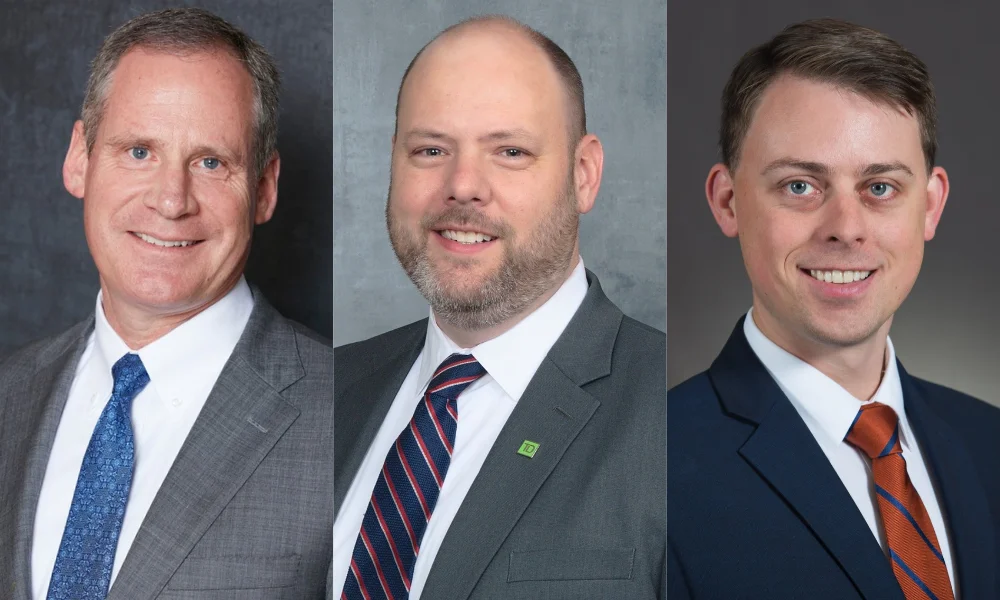
Retirement healthcare costs are rising, yet many Americans haven’t built them into their plans. Advisors see that gap as a threat to retirement budgets: medical needs are uncertain, Medicare doesn’t cover every expense, and delay can leave less time for savings to grow.
A D.A. Davidson survey released in March 2026 found that 78% of respondents worry about rising medical costs in retirement. Only 48% said they had accounted for those costs in their planning, and 23% had discussed the topic with a financial advisor. Six in 10 had seen someone close to them struggle to pay for care in retirement. Just 16% said they felt very knowledgeable about what healthcare would cost them.
The estimate from Fidelity Investments gives the concern a dollar scale: the average lifetime healthcare bill for a 65-year-old retiring in 2026 is $185,500, up 7.5% from the prior year. That figure excludes long-term care, leaving a potentially substantial expense outside the estimate.
Delay makes the cost harder to manage
Andrew Crowell, a financial advisor and vice chairman of wealth management at D.A. Davidson, says younger, healthier clients often put off planning because they don’t picture a serious health event. But early saving gives contributions more time to compound. Even modest amounts can build over a long period, he said, pointing to $25 a month invested strategically as one example.
The broader issue is that future costs can be difficult to picture. Medical inflation typically runs at least double the broader inflation rate, according to Crowell. Today’s spending on co-pays, prescriptions and hospital stays may therefore give retirees an incomplete sense of what similar care could cost later.
Ashley Weeks, a wealth strategist at TD Wealth, says clients may focus on immediate financial pressures or assume Medicare will cover most of their needs affordably. Either assumption can leave a plan exposed. Planning tools have improved, she said: estimates can account for a client’s health, life expectancy and location, then project out-of-pocket spending before and after Medicare eligibility begins.
Costs can also vary with income. Weeks highlighted the income-related monthly adjustment amount, or IRMAA, which adds a surcharge to Medicare premiums above set income thresholds. The 2026 figures published by the Centers for Medicare & Medicaid Services put the standard Part B premium at $202.90 per month, an increase of $17.90 from 2025. Individuals with modified adjusted gross income of $500,000 or more pay $689.90 per month.
HSAs offer a tax-favored savings route
All three advisors identified health savings accounts, or HSAs, as a useful part of the planning mix. Workers enrolled in a high-deductible health plan can contribute pre-tax dollars, invest the balance tax-free and withdraw funds tax-free for qualified medical expenses. That combination gives an HSA its triple tax advantage.
For 2026, contribution limits are $4,400 for self-only coverage and $8,750 for family coverage. Savers aged 55 and older can contribute an additional $1,000. Weeks encourages eligible workers to contribute as much as they can and invest the balance instead of leaving it in cash. Since care needs often increase with age, the account can give savings time to grow while remaining designated for medical expenses.
Many account holders aren’t using that investment potential. Fidelity found that 40% of HSA holders had not invested their balances. In the D.A. Davidson survey, only 13% of respondents named HSAs as a planned source of retirement healthcare funding. Workplace priorities may be part of the picture: a Morgan Stanley survey found that 401(k) plans now rival healthcare as workers’ most valued benefit.
HSAs have limits. Peter Hoglund, senior vice president and financial advisor at Wealth Enhancement, cautions that annual contribution caps may be small compared with later-life medical bills. He also says savers have few other accounts set aside specifically for healthcare costs. An HSA can help fund those expenses, but it can’t answer every question about how much care a person will need, when they’ll need it or how long it will last.
Build room for different health scenarios
Hoglund recommends starting with a full financial plan, then modeling a major health event to see how it would affect the rest of the plan. The exercise can make uncertain costs more tangible and help clients weigh long-term care insurance, additional HSA contributions or self-funding. It can also show where a healthcare shock might force trade-offs with other retirement goals.
Personal experience can sharpen that planning, though it can also skew it. Families who have watched a parent or loved one face a serious health event may prepare with greater clarity, Hoglund said. But the experience can become an outsized fear and leave the rest of the financial plan underprepared. His advice is to protect funds earmarked for care and leave enough flexibility for costs that exceed expectations—or turn out lower than expected.
Insurance timing is another factor. Hoglund said long-term care insurance may help some people manage rising care costs while preserving savings for other goals, depending on their circumstances and ability to obtain a policy. Crowell cautioned that waiting until older age or poorer health to seek coverage may make insurance more expensive.
The low share of Americans who have discussed healthcare costs with an advisor leaves a substantial planning gap. Separate research from the TIAA Institute found that retirees who work with an advisor report fewer regrets, even though just one in four Americans use one. Crowell’s point is that information comes first: estimating the costs, checking what Medicare may cover and considering savings and insurance options can help people make clearer decisions before care is needed.


