Schwab IMPACT 2026: AI, RIA Growth and Alternatives Take Center Stage
- Cargo
- Banking
- Shipped
- Shipper
- Robert Smith
- Readers
- 765
More than 6,000 attendees gathered in Boston as Schwab IMPACT coverage tracked AI, advisor growth, alternatives and industry consolidation.
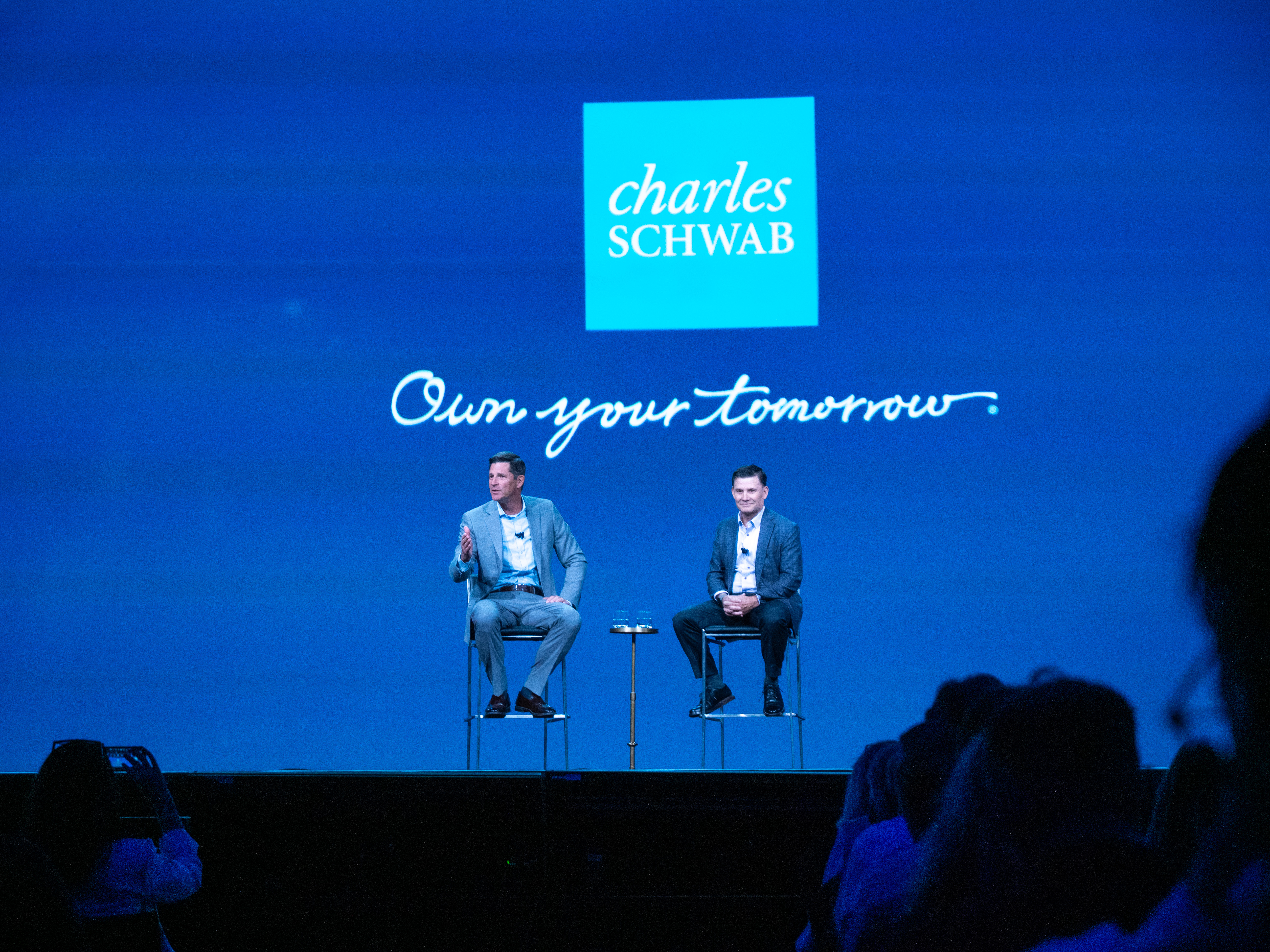
Schwab IMPACT 2026 put several pressures on wealth management firms in one room: rising interest in independent advice, rapid adoption of artificial intelligence, demand for alternative investments and the work of building durable advisory businesses. More than 6,000 people attended the 36th annual conference at the Thomas M. Menino Convention and Exhibition Center in Boston, up from 5,400 at last year’s event in Denver. That growth gives the gathering scale, while its coverage points to practical questions firms are weighing as they compete for clients and talent.
For independent registered investment advisers, Schwab’s messages on client access and firm size were closely watched. CEO Rick Wurster said Schwab Wealth Advisory serves existing retail clients and isn’t competing for new business. He also pledged support for firms with less than $100 million in assets as Fidelity steps away from that segment. The distinction matters to smaller firms that rely on custodians and service providers to support operations without pursuing the same prospective clients.
That positioning comes as more advisors consider independence. Trey Prescott of Advisory Services Network said the pace of advisors moving to the RIA model is quickening. Jon Beatty, head of Schwab Advisor Services, described a strong market for advice and introduced National RIA Day, an annual event intended to introduce college students to careers at RIAs. The initiative speaks to a longer-term challenge: firms expanding their reach need people to serve clients, and early exposure to the profession may help broaden the talent pipeline.
AI adoption brings opportunity and guardrails
Artificial intelligence was a recurring subject, with the coverage spanning cost, access controls and the role of human judgment. Schwab is offering RIAs a $4,800 credit toward the cost of a Claude enterprise seat. Alison Dooher, who leads AI for Schwab Advisor Services, said the goal is to make the cost of 20 seats “kind of net neutral” for smaller firms. The offer addresses one barrier to testing enterprise tools: firms need to weigh potential staff benefits against subscription expenses.
At the same time, Schwab CEO Rick Wurster said the firm is blocking unauthorized AI agents from client accounts as consumer finance tools expand. The item cited Meta’s Muse and Instinct, along with OpenAI’s Dots. That approach highlights a tension for custodians and advisory firms: agent tools may make it easier to interact with financial accounts, but access needs to be controlled when software can act on a client’s behalf.
Another Schwab-backed effort, Nevis, is seeking agents that can move money and act on accounts, while Schwab’s current AI limits remain read-only. The gap between those ambitions and present account controls is a useful marker of how early the technology remains in financial services. Schwab also expects a new chat feature to launch in 2027. The timing leaves firms with a near-term question: which tasks can be improved with tools available today, and which depend on capabilities that haven’t yet arrived?
Other speakers put people and process ahead of agents. Brock Sutton of Capital Group said most advisors use AI, but few are using it to its full capacity. Humanity Labs CEO Andrei Pop argued that better tools alone don’t guarantee better outcomes. And Lana Hock made the case that human judgment, trust and empathy remain qualities clients value, even as financial information becomes easier to access. Together, those views suggest that adoption is a management challenge as much as a technology choice: firms need to decide where tools fit, how staff use them and what clients should continue to receive directly from an advisor.
Investment choices and firm building
Alternatives and tax expertise also featured in the conference coverage. T. Rowe Price is increasing its focus on alternatives in response to advisor demand, according to Bill Cashel, the firm’s head of alternatives for U.S. wealth. TCW’s Dhruv Nagrath said interest in its TPAY private asset income fund had kept him traveling frequently; the fund was described as approaching an assets-under-management milestone, though no figure was provided. These reports point to sustained attention from advisors, while leaving individual firms to assess how such offerings fit their clients and portfolios.
Tax knowledge was another area of focus. Dave Wahlen of Merit Financial Advisors said the need for tax expertise is increasing. That demand connects directly to the broader challenge of delivering advice: investment choices, client circumstances and tax considerations can’t always be handled as separate conversations. Conference education sessions covered taxes and alternatives, topics that require firms to build staff knowledge alongside their investment capabilities.
Growth plans extended beyond investment products. Franklin Templeton completed an expansion of its RIA distribution team, according to Dan Muzzarelli, who leads RIA and platform distribution. Invesco said its recently announced work with Anthropic is intended to affect advisors’ referral efforts. Envestnet, meanwhile, is looking ahead to benefits for RIAs from its Vestmark deal once that transaction is completed. Each development reflects a different route to reaching or serving advisors: distribution capacity, technology and referral support, or platform capabilities.
Consolidation remains part of that business picture. Eric Godes of FP Transitions said the firm is seeing an escalation in RIA merger and acquisition activity, and its outlook suggested activity could reach an all-time high in 2026. The conference coverage also highlighted succession planning: only 10% of firms offer strong training for junior advisors, while a record 21% aren’t considering a succession plan. Those figures point to a mismatch between firms’ growth ambitions and the preparation of future leaders. Deals can change ownership and scale, but firms still need people ready to take on client relationships and management responsibilities.
Schwab also said it plans to make spot trading in Bitcoin and Ethereum available to advisors by mid-2027, while its leaders expect exchange-traded funds to remain the preferred route for portfolio allocations to crypto. That distinction gives firms a concrete development to monitor: direct trading access may broaden the available tools, but Schwab’s stated expectation places ETFs at the center of current portfolio use.
The conference’s numbers set the scene: attendance rose from 5,400 to more than 6,000, while the discussions ranged from the next generation of advisors to new account technologies and firm consolidation. For wealth managers, the useful signal is the breadth of work ahead. Client service, staffing, technology controls, tax capability and investment access are increasingly connected decisions, and the firms best positioned to respond will be those that can align them around the needs of their clients.