International NBA Players Raise New Demands for Athlete Wealth Advisers
- Cargo
- Banking
- Shipped
- Shipper
- Joseph Miller
- Readers
- 837
With 125 international players on NBA opening-night rosters, advisers face clients whose businesses, assets and financial relationships already span borders.
The NBA opened its 2026–27 season with 125 international players from 43 countries on opening-night rosters, marking the sixth consecutive season with more than 120. For US wealth advisers, the shift brings a more complex client profile: many athletes arrive with financial ties, assets and trusted advisers already established in other countries.
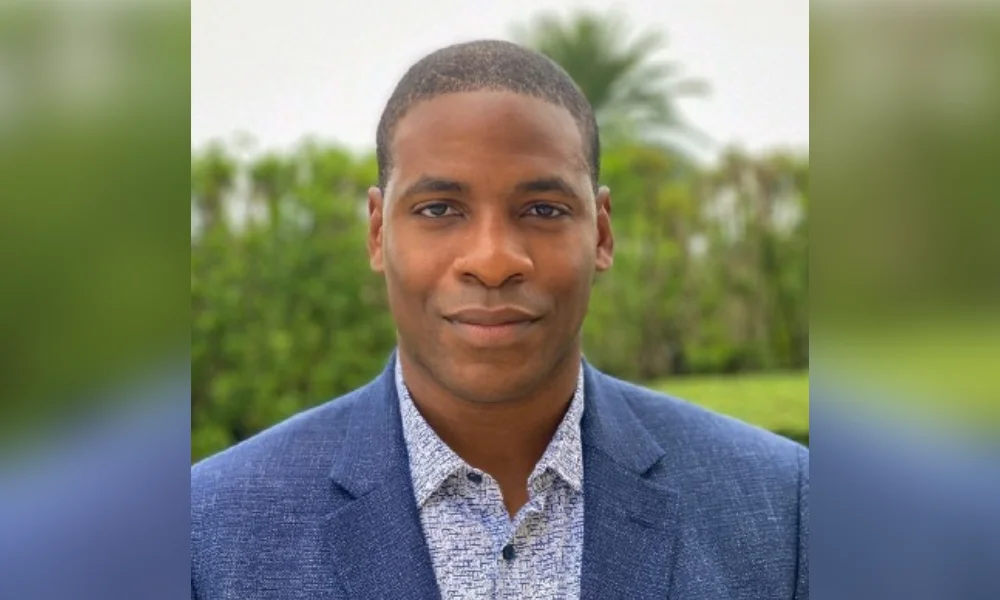
Wale Ogunleye, Head of Sports and Entertainment at UBS Global Wealth Management in New York, says international players once more often arrived earlier in their careers, with most of their financial needs centered in the US. Now, some come with businesses, portfolios, banking arrangements and advice relationships already in place at home.
“What's changing is that we're increasingly meeting athletes who already have a financial life established across several countries – not just a playing contract in the US,” Ogunleye told InvestmentNews. “The advisor must understand the whole person and the whole financial picture, rather than lead with a product or a US account.”
Start with the client’s existing financial life
That distinction changes the first steps of an advisory relationship. Ogunleye says advisers can misjudge the opportunity when they treat onboarding as a process of opening accounts instead of learning how a client’s finances already work. The initial conversations need to establish who manages the client’s money, where the assets and businesses are located, which currencies the family uses, and what matters most during the move to the US.
Some home-country banking arrangements may not be available for use in the US. Assets may be held in other currencies, while requirements differ across jurisdictions. These details can affect how money moves and which existing relationships remain useful. An adviser who starts by pitching products risks proposing a narrow solution before understanding the client’s full circumstances.
“It starts with listening and understanding what's already in place,” Ogunleye said. “Who are their banking partners and advisors? Where are their assets and businesses? What currencies do they use, what does their family need, and what are their immediate priorities as they move to the US?”
Ogunleye brings experience as both a former professional athlete and an adviser. He played as a Pro Bowl defensive end for the Chicago Bears, joined UBS in 2019 and now leads the firm’s Athletes and Entertainers Strategic Client Segment across the US. He says his own experience navigating finances as an athlete, often without adequate guidance, informs how he coaches advisers serving this group.
Read next: Selling future earnings: what advisors tell their athlete clients
Athletes may be business owners as well as earners
The work can extend beyond a playing contract. Endorsement deals, brand arrangements, ownership stakes and investment portfolios can connect an athlete’s personal finances with business interests. Those connections make coordination important: choices involving a business may affect the client’s personal wealth, while personal goals can shape how the business is funded or managed.
“We're not just talking about a playing contract,” Ogunleye said. “We're talking about someone who may also be a founder, investor or brand owner. Their personal wealth and business interests are connected, and the advice needs to reflect that.”
UBS says it draws on capabilities in Wealth Management, Investment Bank and Asset Management to serve clients whose needs cross those areas. Ogunleye also stresses working alongside agents, business managers and advisers the athlete already knows. Preserving those relationships can help a new adviser understand the client’s existing arrangements and identify where coordination is needed, rather than assuming one firm should replace every other professional.
The firm’s US athletes and entertainers group has received approval from the NFL Players Association to work with current and retired players. It joins Goldman Sachs, Bessemer Trust, Morgan Stanley and Bernstein Private Wealth in a program the NFLPA expanded to include firms alongside individual advisers. The development reflects a more formal market for athlete wealth management, where firms need to coordinate expertise around clients with varied financial lives.
Read next: Young athletes face new financial realities in the NIL era, says Merrill’s Whittaker
Planning across a compressed career
Athletes can face competing demands: immediate cash needs, long-term financial plans and questions about what they want to build or leave behind. For international players, those decisions may also involve several currencies, countries and established relationships. Ogunleye says UBS uses a Liquidity, Longevity and Legacy framework to organize discussions around near-term needs, long-range planning and the client’s desired impact.
That structure gives adviser and client a way to sort priorities without reducing the conversation to a single account or transaction. It also creates room to discuss family needs and life after a playing career—issues that can sit alongside business decisions and cross-border financial arrangements.
“Start with the person, not the transaction,” Ogunleye said. For an international athlete, that means learning about family, trusted relationships, ambitions and what life could look like after the sport ends.
The NBA’s international reach has continued to bring players with financial lives that extend beyond the US. For advisers, the practical test comes before any account is opened: can they map the client’s existing relationships, assets and priorities, then coordinate advice around the whole picture? That work is likely to matter more as athletes arrive not only with contracts, but with businesses and plans that span borders.